Coffee Machine Technician Qualification UK, A Standards Guide 2025
By Janice Revill 25 June 2025 4 min read
In short
UK coffee machine technicians are not covered by a single mandatory licence, but professional work requires electrical and gas compliance, manufacturer training and food-safe practice. Knowing which qualifications matter helps you choose an engineer who keeps your machine safe, compliant and reliable.
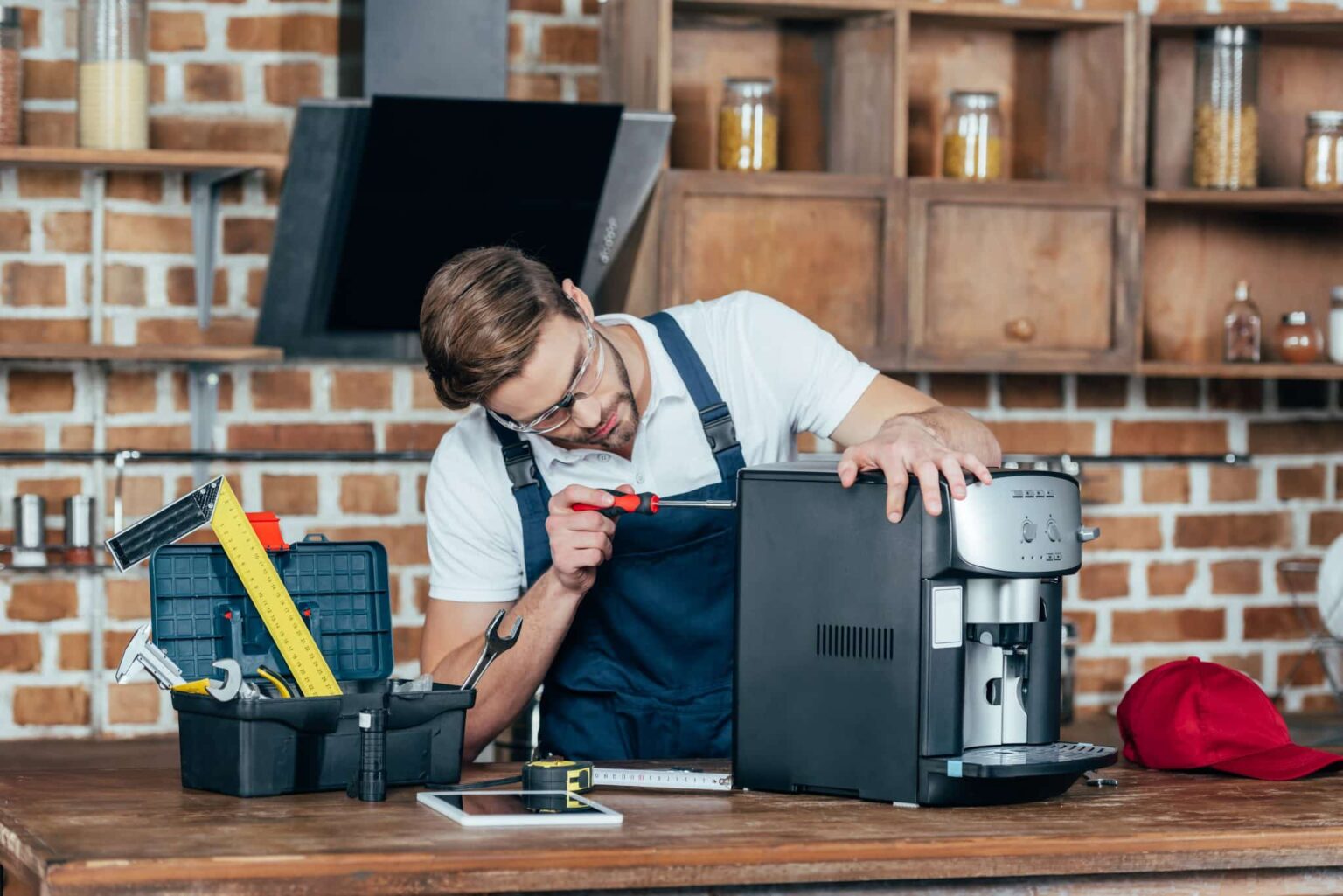
Commercial coffee equipment requires specialized expertise that goes far beyond general appliance repair knowledge. Coffee machine technician qualification ensures that engineers possess the specific skills, safety awareness, and manufacturer knowledge necessary to service sophisticated commercial coffee making machines safely and effectively.
The complexity of modern commercial coffee machines, from advanced bean to cup systems to traditional espresso equipment, demands professional training that covers electrical systems, pressurized components, food safety requirements, and manufacturer specific technologies. Understanding qualification requirements helps businesses select qualified service providers while ensuring compliance with UK workplace safety regulations.
Professional qualification provides businesses with confidence that their expensive commercial coffee equipment receives appropriate attention from qualified engineers who understand both technical requirements and regulatory compliance obligations.
UK Qualification Requirements
Manufacturer Specific Training
Leading commercial coffee machine manufacturers require technicians to complete comprehensive training programs before authorizing service work on their equipment. Franke qualification programs cover the sophisticated technologies incorporated in A series machines, including advanced brewing controls, milk systems, and electronic diagnostics that require specialized knowledge. Using the trained technicians Franke Coffee Systems employ and as part of the group – Dalla Corte are part of this unique operation and give the same back up and support for the Traditional Machines.
Jura technical qualification focuses on the unique Swiss automation technologies and precision engineering that characterize these premium office coffee systems. The complexity of Jura ceramic grinders, automated cleaning cycles, and electronic control systems demands specific training that general appliance technicians cannot provide.
La Pavoni qualification addresses the traditional mechanical systems and heritage brewing technologies that distinguish these premium Italian espresso machines. The lever mechanisms, boiler systems, and pressure controls require specialized understanding of traditional espresso machine principles combined with modern safety requirements.
Iberital and Fracino qualification programs reflect the specific technologies and design philosophies of these manufacturers, ensuring technicians understand proper service procedures, parts requirements, and performance optimization techniques unique to each brand.
Electrical Safety Qualifications
Commercial coffee machine technicians must hold appropriate electrical qualifications due to the sophisticated control systems and heating elements incorporated in modern equipment. The combination of water, electricity, and high pressure creates potential safety hazards that require professional electrical knowledge and safety awareness.
Part P certification for electrical work in commercial environments ensures technicians understand current UK electrical regulations and safety procedures. Commercial coffee machines often require electrical modifications, control system repairs, and safety testing that demands qualified electrical expertise.
PAT testing qualification enables technicians to conduct portable appliance testing on commercial coffee equipment, ensuring ongoing electrical safety compliance. This qualification becomes essential for businesses operating multiple machines or complex installations requiring regular safety verification.
Pressure Systems Certification
Commercial espresso machines operating above specific pressure thresholds fall under Pressure Systems Safety Regulations (PSSR) that require qualified inspection and qualification. Technicians working on these systems must understand pressure vessel principles, safety systems, and inspection requirements.
Boiler inspection qualifications enable technicians to conduct annual safety inspections required for commercial espresso machines. This qualification ensures compliance with workplace safety regulations while identifying potential safety issues before they become serious problems.
Gas safety qualification becomes necessary for technicians servicing dual fuel equipment such as mobile coffee units and outdoor catering systems. The combination of gas and electrical systems requires specialized training and qualification to ensure safe operation.
Ongoing Training Requirements
Technology Updates
Rapid advancement in commercial coffee technology requires ongoing education to maintain qualification status with leading manufacturers. New brewing technologies, control systems, and automation features demand continuous learning to ensure technicians remain current with evolving equipment capabilities.
Software updates and digital integration technologies increasingly characterize modern commercial coffee systems. Technicians must understand connectivity features, remote monitoring capabilities, and digital diagnostic systems that enable proactive maintenance and optimization.
Environmental regulations and energy efficiency requirements influence equipment design and service procedures. Qualified technicians must stay current with changing requirements and optimization techniques that help businesses meet sustainability goals.
Safety Regulation Updates
UK health and safety regulations evolve continuously, requiring technicians to maintain awareness of changing requirements and compliance obligations. Food safety regulations particularly affect commercial coffee equipment that directly contacts consumable products.
Fire safety considerations become increasingly important as commercial coffee equipment incorporates more sophisticated heating systems and electronic controls. Technicians must understand installation requirements, clearance specifications, and emergency procedures.
Advanced Diagnostic Training
Modern commercial coffee machines incorporate sophisticated diagnostic systems that require specialized training to interpret and utilize effectively. Electronic error codes, sensor data, and performance monitoring systems provide valuable troubleshooting information when properly understood.
Remote diagnostic capabilities enable proactive maintenance and rapid problem resolution when technicians understand the available technologies and communication protocols. This advanced training helps minimize equipment downtime while optimizing performance.
Investment in Professional Service
Coffee machine technician qualification represents essential protection for commercial coffee making machines investments while ensuring workplace safety compliance and optimal performance. The specialized knowledge and training required for proper service work justifies the additional costs associated with qualified professional service.
Understanding qualification requirements enables businesses to make informed decisions about service provider selection while ensuring their commercial coffee equipment receives appropriate professional attention. The combination of technical competence, safety awareness, and manufacturer knowledge provides long term value that protects equipment investments while maintaining operational reliability.
Contact Coffee Lady to discuss our qualified technician network and comprehensive service solutions for your commercial coffee equipment requirements.
Not sure what this means for your setup?
Talk it through with the Coffee Lady team. Free advice, honest recommendations and UK-wide installation and servicing for workplace coffee.
Why office coffee machine costs vary Office coffee machine costs vary because workplaces have different levels of demand. A small office may only need a compact machine that…
What makes a coffee maker suitable for a small office A good small office coffee maker should be compact, reliable, easy to clean, and simple to use without…
Start with your workplace, not the machine Many businesses start by looking at brands or machine styles before they have properly defined what they need. In reality, the…
To provide the best experiences, we use technologies like cookies to store and/or access device information. Consenting to these technologies will allow us to process data such as browsing behavior or unique IDs on this site. Not consenting or withdrawing consent, may adversely affect certain features and functions.
Functional
Always active
The technical storage or access is strictly necessary for the legitimate purpose of enabling the use of a specific service explicitly requested by the subscriber or user, or for the sole purpose of carrying out the transmission of a communication over an electronic communications network.
Preferences
The technical storage or access is necessary for the legitimate purpose of storing preferences that are not requested by the subscriber or user.
Statistics
The technical storage or access that is used exclusively for statistical purposes.The technical storage or access that is used exclusively for anonymous statistical purposes. Without a subpoena, voluntary compliance on the part of your Internet Service Provider, or additional records from a third party, information stored or retrieved for this purpose alone cannot usually be used to identify you.
Marketing
The technical storage or access is required to create user profiles to send advertising, or to track the user on a website or across several websites for similar marketing purposes.