
Office coffee
Best Small Office Coffee Makers for Growing Teams
What makes a coffee maker suitable for a small office A good small office coffee maker should be compact, reliable, easy to clean, and simple to use without…

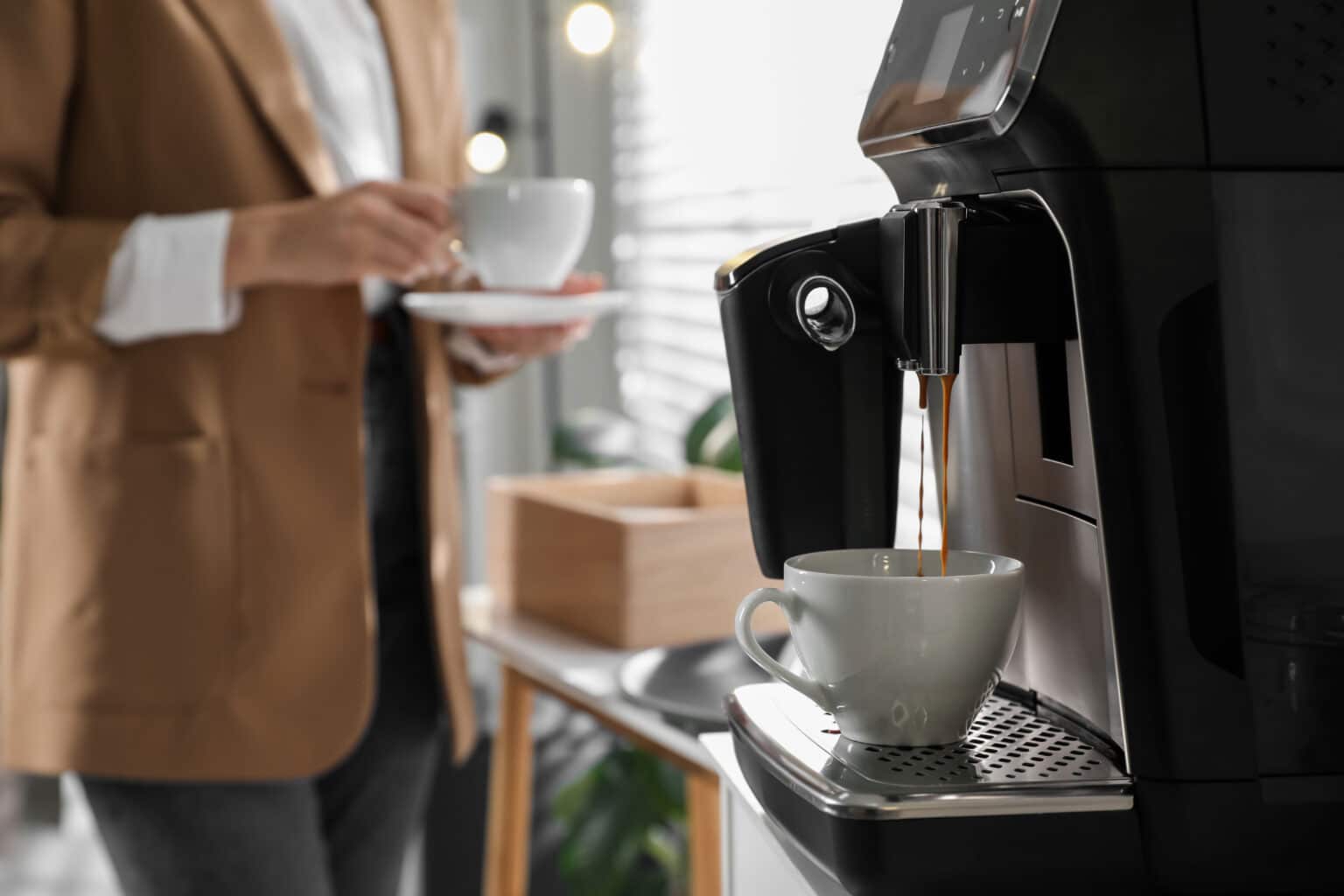
Most UK office coffee machines cost between £855 and £13,965 depending on type and capacity. Simple setups sit under £1,000, quality bean to cup machines for small and medium offices typically run £2,500 to £7,000, and high-output commercial systems with fresh milk, plumbed water and service plans go beyond £10,000.
The cost of an office coffee machine in the UK can vary widely because no two workplaces use coffee in exactly the same way. A small team that only needs a simple drinks setup will usually have a different budget from a busy office that wants fresh bean to cup coffee, milk-based drinks, fast output, and a stronger service arrangement.
That is why the best starting point is not the cheapest machine. The better question is what the right coffee setup will cost for the way your office actually works. The machine price matters, but so do coffee supplies, milk, filters, cleaning products, servicing, installation, water setup, and long-term reliability.
At the time of writing, visible office coffee machine listings on Coffee Lady range from £855 for the Bravilor Solo to £13,965 for the Franke SB1200 Dual Milk Machine, excluding quote-only items. That range shows why businesses should budget around usage and specification rather than assuming there is one standard office coffee machine price.
Office coffee machine costs vary because workplaces have different levels of demand. A small office may only need a compact machine that makes a steady number of drinks each day. A larger workplace may need a higher-capacity system that can handle busy mornings, meetings, visitors, and repeated use across the day.
The type of machine has a major impact on cost. A simple hot drinks machine or compact pod system will usually sit at a lower price point than a commercial bean to cup machine. Machines with fresh milk systems, larger hoppers, touchscreens, plumbed-in water, higher output, or more advanced drink menus usually cost more because they are designed to do more work.
There is also a difference between buying a machine and building a complete office coffee setup. A machine may look affordable at first, but if it is too small for the workplace, slow during peak periods, expensive to run, or difficult to maintain, the real cost becomes higher over time. A more expensive machine can sometimes be better value if it performs reliably, reduces friction, and suits the daily rhythm of the office.
The table below gives a practical way to think about office coffee machine costs. These are not fixed recommendations, but they help businesses understand why different setups sit at different price points.
| Price Range | Typical Machine Type | Best Fit | What Usually Drives the Cost |
|---|---|---|---|
| Under £1,000 | Simple office machine or compact hot drinks setup | Small offices with light use | Lower output, simpler drink menu, limited commercial features |
| £1,000 to £2,500 | Compact office machine or entry-level professional setup | Small to Medium offices | Better usability, stronger office suitability, more drink flexibility |
| £2,500 to £5,000 | Bean to cup or small commercial machine | Small to Medium offices with regular use | Fresh coffee, stronger output, broader drink options, better durability |
| £5,000 to £10,000 | Higher-spec commercial coffee machine | Medium to Large offices | More advanced systems, higher capacity, stronger workplace performance |
| £10,000 plus | Premium commercial system | Large offices or premium client-facing workplaces | High output, advanced milk systems, broader menus, stronger commercial capability |
The right price band depends on the office, not just the budget. A lower-priced machine may be ideal for a small office with lighter use. A higher-priced system may be justified in a larger workplace where the machine is used heavily and downtime would cause frustration.
Small offices usually need a machine that is compact, simple, and easy to live with. The goal is not to buy the largest possible machine. It is to choose something that fits the number of people using it, the space available, and the type of drinks the team actually wants.
For a small team, the most important cost question is whether the machine will be used lightly or every day by most staff. A low-use office may be fine with a simpler setup. A small but active office may need a more capable bean to cup machine that can provide better coffee without becoming too demanding to maintain.
Small offices should be careful with false economy. A very cheap machine can become poor value if it is slow, unreliable, or unable to handle daily use. On the other hand, a premium commercial machine may be unnecessary if the team only makes a few drinks a day. The right spend should match real demand, not ambition or guesswork.
Medium offices often need a stronger setup because coffee demand becomes more consistent. Staff may use the machine throughout the day, visitors may be offered drinks, and there may be short bursts of use around meetings or morning starts.
This is where bean to cup machines often become more relevant. They provide fresh coffee, broader drink options, and a more professional experience without requiring barista-style training. They also tend to suit offices where coffee is part of the staff experience rather than just a basic kitchen facility.
For a medium office, the cost should be judged against daily value. If the machine saves time, reduces coffee runs, improves consistency, and gives staff a better experience, a higher purchase price can be easier to justify. The key is to choose a machine that has enough capacity without overcomplicating the setup.
Large offices need to think more carefully about output, reliability, and service support. A machine that works well for ten people may not be suitable for fifty. In a larger workplace, underbuying can quickly create queues, refilling problems, cleaning pressure, and complaints about drink availability.
Higher-capacity machines usually cost more because they are built for heavier use. They may have larger bean hoppers, bigger waste capacity, faster drink production, stronger milk systems, or plumbing options that reduce manual refilling. These features can be valuable in a busy environment because they reduce the amount of time staff spend managing the machine.
For a large office, the cheapest option is rarely the safest one. The better decision is usually to compare the cost of the machine with the cost of poor performance. If the machine is used heavily, reliability and support become part of the value.
Buying outright can suit businesses that know exactly what they need and want a clear upfront cost. It gives the business ownership of the machine and can make budgeting straightforward, especially for smaller or simpler setups.
A quote-based approach can be better when the office has more specific requirements. For example, a business may need help choosing between tank-fed and plumbed-in machines, deciding whether fresh milk is practical, or understanding what level of output is suitable. A quote can also account for installation, servicing, support, and the way the machine will actually be used.
The choice is not only financial. It is about how much certainty the business has. If the office has simple needs, buying from a listed range may be enough. If usage, capacity, or service needs are less clear, a tailored recommendation can reduce the risk of choosing the wrong machine.
The machine price is only part of the total cost. Every office coffee setup has ongoing running costs, and those costs can add up over time. Coffee beans, pods, milk, hot chocolate, cups, stirrers, filters, cleaning tablets, descaler, and servicing all need to be considered.
The type of machine affects those costs. Pod machines can be tidy and convenient, but the cost per drink may become less attractive as usage grows. Bean to cup machines can be better suited to regular office use, but they still need beans, cleaning products, filters, and occasional maintenance. Fresh milk systems can improve the drink experience, but they also require daily cleaning and proper milk handling.
A good budget should estimate how many drinks are likely to be made each working day. That gives the business a clearer idea of monthly supply costs and helps prevent surprises after the machine is installed.
Servicing should be part of the cost conversation from the beginning. A coffee machine used daily in an office needs regular care, especially if it produces milk-based drinks or operates in an area with hard water.
A lower-priced machine may become expensive if it breaks down often, needs frequent callouts, or is poorly matched to office demand. A better-specified machine with the right support may cost more at first, but it can offer better long-term value if it performs consistently.
Maintenance also affects staff experience. If a machine is awkward to clean, unclear to operate, or constantly asking for attention, it can quickly become a source of frustration. The best office machines are not only judged by drink quality. They are judged by how well they fit into the working day.
Water setup can affect both cost and machine performance. Some office coffee machines use refillable tanks, while others can be plumbed into the mains. Tank-fed machines can be easier to place, especially in smaller offices. Plumbed-in systems can be better for higher-use workplaces because they reduce the need for manual refilling.
Hard water should also be considered. The Drinking Water Inspectorate explains that hard water causes scaling in hot water systems and appliances, and that scaling on heating elements can shorten their life and make appliances less efficient.
For office coffee machines, this means filtration is not just a technical detail. It can affect taste, reliability, maintenance frequency, and long-term machine life. A suitable filtration plan may add to the ongoing cost, but it can also protect the investment.
When comparing office coffee machine prices, businesses should check whether VAT is included. Commercial pricing is often shown excluding VAT, and this can make one option look cheaper than another even when the real cost is similar.
GOV.UK states that the standard VAT rate is 20% for most goods and services. This matters when comparing quotes, purchase prices, service packages, and supplies. A business should always check the full cost with VAT, delivery, installation, and any support charges included where relevant.
A clean comparison is one that shows what the business will actually pay, not just the lowest headline figure.
The best way to compare office coffee machine costs is to compare the full setup rather than the machine price alone. Two machines may have similar purchase prices but very different running costs, cleaning needs, support options, and capacity levels.
A useful comparison should consider office size, daily drinks, peak-time use, drink menu, available space, water setup, cleaning requirements, servicing, and expected growth. A machine that works well today but becomes too small in six months may not be good value. A machine with more capacity than needed may also waste budget if the office will not use its features.
The aim is not to find the cheapest office coffee machine. The aim is to find the best-value setup for the workplace. That means a machine that fits the budget, supports staff properly, and remains practical to run over time.
Office coffee machine costs in the UK can range from under £1,000 for simpler office setups to more than £10,000 for high-capacity commercial systems. The right budget depends on office size, drink demand, machine type, service needs, water setup, and the level of user experience the business wants to provide.
A small office may only need a compact, easy-to-use machine. A growing team may get better value from a bean to cup system with more flexibility. A larger or client-facing workplace may need a higher-spec commercial machine that can support heavier use and a more polished drinks experience.
The best decision comes from looking beyond the price tag. When businesses account for supplies, servicing, maintenance, water filtration, VAT, and long-term suitability, it becomes much easier to choose a machine that makes financial and practical sense.
Office coffee machine costs can range from under £1,000 for simpler setups to more than £10,000 for higher-capacity commercial systems. The final cost depends on machine type, office size, daily drink demand, specification, service needs, and whether the setup requires installation or additional support.
The biggest cost factors are machine type, capacity, drink menu, milk system, water setup, servicing, and daily usage. A compact machine for light office use will usually cost less than a commercial bean to cup or fresh milk system designed for heavier demand.
A small office can start below £1,000 for a simpler setup, while more capable small-office and bean to cup machines often sit in the low thousands. The right budget depends on daily drink volume, staff expectations, maintenance needs, and whether the office needs a machine that can support future growth.
If you are planning an office coffee machine budget, Coffee Lady can help you compare options based on team size, drink demand, available space, and support requirements. The right machine should make sense financially, but it should also fit the way your workplace uses coffee every day.
Talk it through with the Coffee Lady team. Free advice, honest recommendations and UK-wide installation and servicing for workplace coffee.
Contact Coffee Lady What makes a coffee maker suitable for a small office A good small office coffee maker should be compact, reliable, easy to clean, and simple to use without…
Start with your workplace, not the machine Many businesses start by looking at brands or machine styles before they have properly defined what they need. In reality, the…
For very light use with fresh beans and automatic milk drinks, the Bestir BM20 is a strong compact option. The JURA W4 is better suited to offices where…
Site survey, honest recommendations and UK-wide support for your workplace coffee.